…that I found helpful on the journey of self-exploration and healing
Disclaimer: These images and summaries are used for informational purposes only. All rights belong to the respective owners.

The Courage to Be Disliked by Ichiro Kishimi and Fumitake Koga is a philosophical self-help book that presents the principles of Adlerian psychology through a conversation between a philosopher and a young man. The book challenges common societal beliefs and encourages individuals to embrace personal freedom, self-responsibility, and the courage to live authentically.
Key ideas from the book include:
- The concept of interpersonal relationships: The book emphasizes that our happiness is not determined by external validation but by our internal beliefs and the way we choose to relate to others. The philosopher argues that we often hinder our own growth by seeking approval from others.
- Living without the need for recognition: The authors suggest that the need for recognition from others can be a source of unhappiness. To find true freedom and happiness, one must release the need to be liked and accepted by everyone.
- The importance of self-acceptance: The book stresses that we should stop blaming our past experiences or other people for our current feelings and choices. Instead, it advocates for taking full responsibility for our lives and actions, understanding that we have the power to change and grow at any point.
- The role of courage in change: True courage, according to the book, is not the absence of fear but the willingness to face discomfort and take responsibility for our lives. The authors highlight that making meaningful changes requires overcoming fear of judgment and societal expectations.
- The concept of “separation of tasks”: This concept revolves around the idea that we should only focus on our own tasks and not take responsibility for tasks that belong to others, such as how other people think or feel about us.
In essence, The Courage to Be Disliked encourages readers to take responsibility for their own lives, let go of the need for external validation, and adopt a mindset that prioritizes internal peace and personal growth over societal expectations.
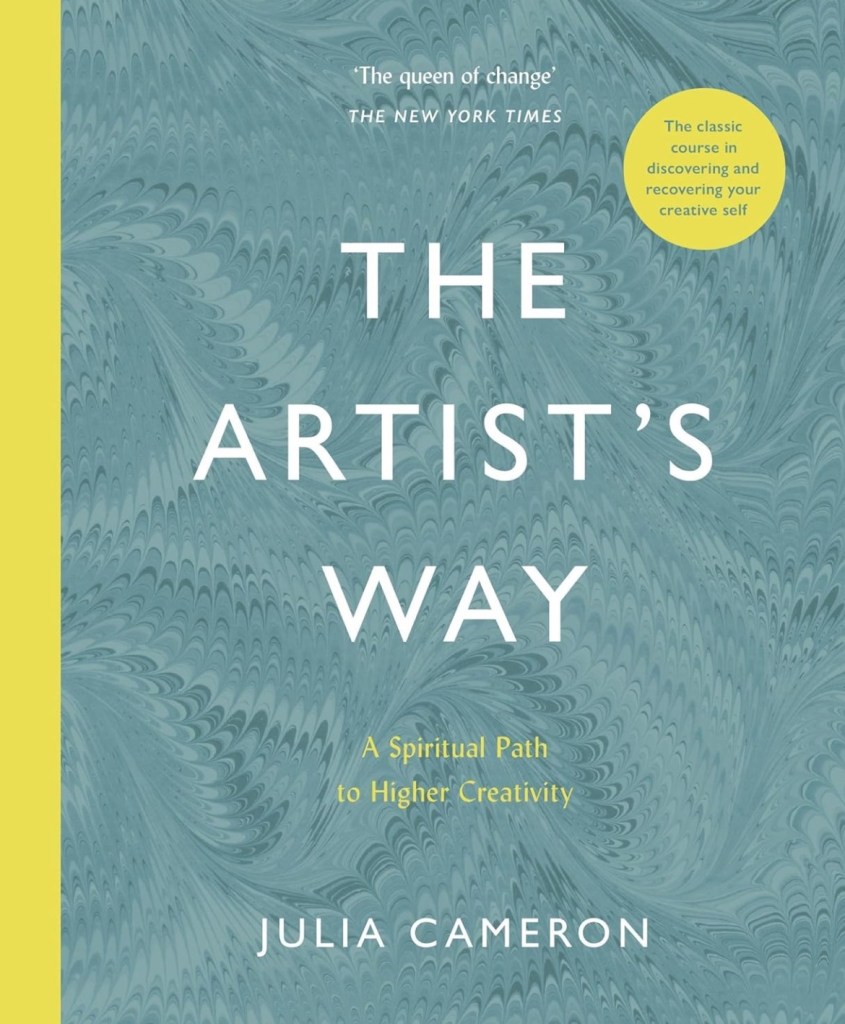
The Artist’s Way by Julia Cameron is a classic guidebook for nurturing creativity and overcoming creative blocks. The book is structured around a 12-week program designed to help individuals rediscover and cultivate their artistic potential.
Key components of the book include:
- Morning Pages: A key practice in The Artist’s Way involves writing three pages of stream-of-consciousness every morning. This exercise helps clear mental clutter, access creativity, and develop self-awareness.
- The Artist Date: Cameron introduces the idea of setting aside time each week for solo exploration—an Artist Date—where individuals engage in activities that inspire and rejuvenate their creative spirit.
- Recovering Creativity: The Artist’s Way emphasizes that creativity is an innate part of everyone. The book encourages readers to reconnect with their inner artist and overcome self-doubt, fear, and societal conditioning that often suppresses creativity.
- Overcoming Limiting Beliefs: Cameron helps readers identify and challenge limiting beliefs that hinder creativity, such as perfectionism, fear of failure, and negative self-talk.
- Working through Blocks: Throughout the program, Cameron provides exercises and reflections aimed at helping individuals confront and move past obstacles that block their creative flow.
- Spirituality and Creativity: The book integrates the idea that creativity has a spiritual dimension, encouraging individuals to listen to their intuition and embrace a deeper connection to their artistic journey.
The Artist’s Way serves as both a practical guide and an inspirational journey toward reclaiming and sustaining creativity, fostering personal growth, and discovering a renewed sense of purpose and self-expression.
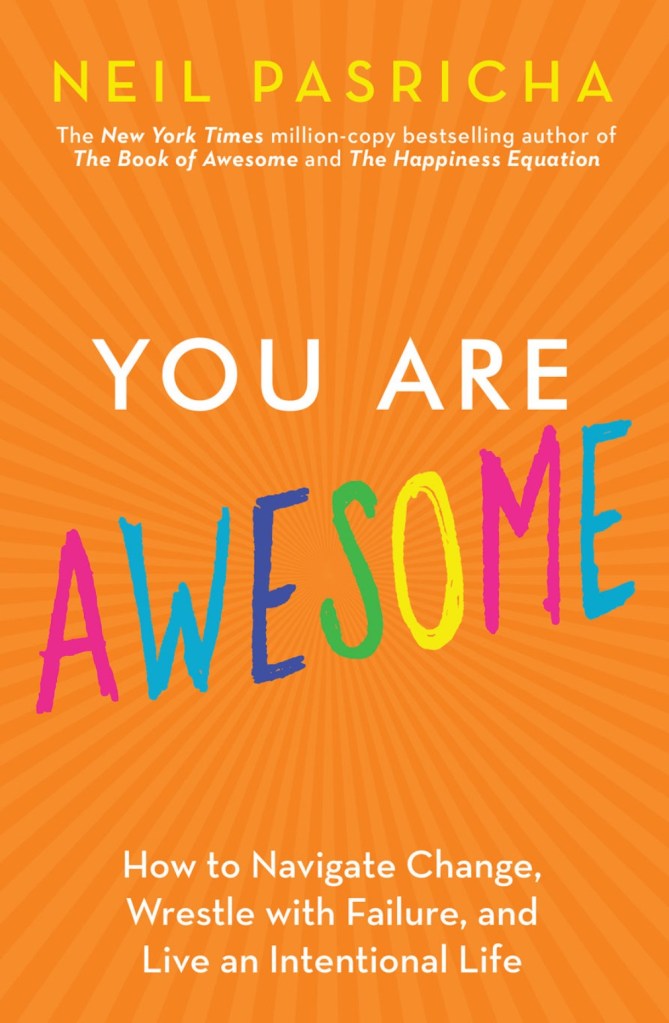
You Are Awesome: How to Navigate Change, Wrestle with Failure, and Live an Intentional Life by Neil Pasricha is a motivational book aimed at helping readers develop resilience, embrace life’s challenges, and lead more purposeful lives. Drawing from his own experiences and a wide range of research, Pasricha provides practical advice for building a positive mindset and overcoming obstacles.
Key concepts in the book include:
- The Power of Perspective: Pasricha emphasizes that our perspective plays a crucial role in how we handle life’s challenges. Shifting the way we view setbacks and failures can help us grow stronger and more adaptable.
- The Importance of Embracing Change: Change is inevitable, and learning to navigate it with openness and curiosity is vital. The book explores how to embrace uncertainty and use it as an opportunity for personal transformation.
- Wrestling with Failure: Failure is presented not as something to fear, but as a stepping stone to success. Pasricha shares strategies for reframing failure, bouncing back from setbacks, and using mistakes as learning experiences.
- Building Resilience: Pasricha explores the concept of emotional resilience, offering practical tools for cultivating mental toughness, staying focused in difficult times, and finding strength when faced with adversity.
- Living Intentionally: The book encourages readers to live with intention, aligning their actions with their values and passions. Pasricha discusses how to prioritize what matters most and take control of one’s life to achieve fulfillment.
- The Importance of Kindness and Gratitude: Pasricha advocates for practicing gratitude and kindness, not just toward others, but also toward oneself. He highlights the positive impact these practices have on our well-being and personal growth.
Ultimately, You Are Awesome is a guide to becoming more resilient, embracing failure, and taking ownership of one’s life. Pasricha’s uplifting message reminds readers that, despite life’s inevitable challenges, they have the power to navigate change and build a meaningful, intentional life.
Refuse to Choose is a self-help book that addresses individuals who struggle with choosing a single career or life path, often feeling overwhelmed by multiple interests and passions. Sher introduces the concept of “Scanners,” people who have a wide variety of interests and talents and feel conflicted about pursuing only one thing in life.
The book offers practical advice and solutions for Scanners, showing them that they don’t have to settle for a singular career or passion. Sher argues that it’s possible to embrace multiple interests and create a fulfilling life by pursuing a non-linear, multifaceted approach.
Key concepts in the book include:
- The Scanner Personality: Sher explains that Scanners are individuals who are not content with focusing on just one pursuit and instead thrive by exploring different fields. They often feel guilty or frustrated when they try to fit into conventional molds that demand specialization.
- Embracing Multiple Interests: Rather than choosing just one path, Scanners are encouraged to explore and engage with many passions. Sher emphasizes that it’s okay to have diverse interests and that they can be integrated into a fulfilling life.
- Creating a Scanner-Friendly Life: The book provides practical strategies for integrating multiple interests, such as pursuing part-time projects, combining talents into a single career, or structuring a life that accommodates a variety of passions without feeling overwhelmed.
- Overcoming Guilt and Self-Doubt: Sher helps readers confront feelings of guilt and self-doubt that may arise from not following traditional career paths. She encourages embracing one’s true nature and designing a life that works for them, rather than conforming to societal expectations.
- The Importance of Lifelong Learning: For Scanners, learning is a continuous process, and Sher highlights how it’s important to engage in lifelong learning without pressure to “settle down” in one field. She advocates for curiosity, exploration, and personal growth throughout one’s life.
- Practical Tools for Scanners: The book provides concrete steps, exercises, and tips for Scanners to navigate their various interests, pursue their passions without feeling scattered, and build a successful and meaningful life on their terms.
Ultimately, Refuse to Choose is a guide to embracing a non-traditional life path for those who feel pulled in many directions. Sher’s message is that Scanners can thrive by creating a personalized, fulfilling life that honors their diverse interests, and that choosing to refuse a single focus is not only acceptable but can lead to a richer, more meaningful existence.
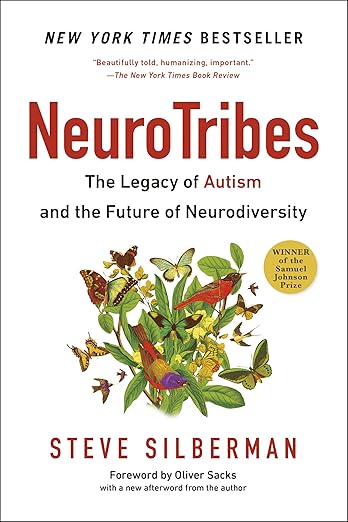
NeuroTribes: The Legacy of Autism and the Future of Neurodiversity by Steve Silberman is a comprehensive exploration of autism, its history, and the growing movement toward neurodiversity. The book focuses on the social, cultural, and scientific aspects of autism, challenging traditional views and advocating for a more inclusive and accepting approach to individuals on the autism spectrum.
Key themes and takeaways from NeuroTribes include:
- Historical Context: Silberman delves into the history of autism, highlighting how it was once misunderstood and misrepresented. He traces the origins of autism as a medical diagnosis, focusing on the work of early researchers like Leo Kanner and Hans Asperger. The book reveals how autism was often seen through a narrow, deficit-based lens and how the field’s understanding evolved over time.
- The Emergence of Neurodiversity: Silberman discusses the rise of the neurodiversity movement, which argues that autism and other neurological differences should be viewed as natural variations of the human brain, rather than disorders to be “fixed.” This paradigm shift has led to a more inclusive understanding of autism and a push for greater acceptance and accommodation of autistic individuals in society.
- Autism as a Spectrum: The book emphasizes that autism exists on a broad spectrum, with individuals exhibiting a wide range of abilities, traits, and challenges. Silberman argues against the oversimplified view that autism is only about deficits and instead highlights the unique strengths, talents, and contributions of autistic people.
- Personal Stories and Advocacy: Through personal stories and interviews with autistic individuals, families, and advocates, NeuroTribes illustrates the diverse experiences of people on the autism spectrum. These stories challenge stereotypes and offer insight into the lives of autistic people, many of whom have thrived in areas such as technology, art, and research.
- The Role of Institutions: Silberman critiques how institutions, both medical and educational, have historically failed to support autistic individuals in a meaningful way. He highlights how the medical model of autism, which often emphasizes pathology and treatment, has led to stigmatization and marginalization. The book advocates for more inclusive and supportive systems that recognize neurodiversity.
- The Future of Autism Research and Support: The final sections of the book focus on the future of autism research and advocacy, emphasizing the importance of creating a more inclusive society that values neurodiversity. Silberman calls for policies and practices that support autistic people, respect their rights, and acknowledge their potential.
In conclusion, NeuroTribes is an important work that reframes autism from a medical condition to a natural variation of human diversity. The book encourages readers to embrace neurodiversity, challenging long-standing assumptions and advocating for a more inclusive, accepting world for individuals on the autism spectrum.
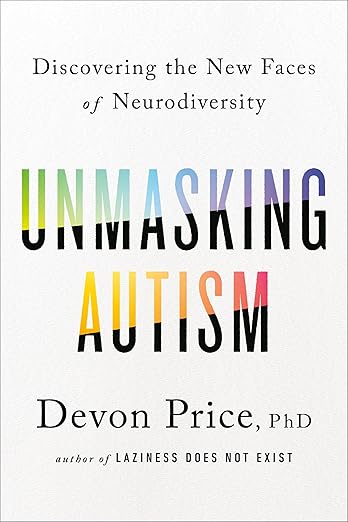
Unmasking Autism is an insightful exploration of autism, particularly focusing on how many autistic individuals “mask” their true selves to fit in with societal expectations. Price, an autistic author and psychologist, examines the concept of masking and how it impacts the mental health and well-being of those on the autism spectrum.
Key themes and takeaways from Unmasking Autism include:
- The Concept of Masking: Masking refers to the process where autistic individuals suppress their natural behaviors, mannerisms, and social communication patterns to fit in with societal norms. Price explains how masking can be exhausting and damaging to mental health, leading to issues like anxiety, depression, burnout, and identity loss.
- The Invisible Nature of Autism: The book emphasizes that autism is not always visible in the way it is portrayed in the media. Many autistic people learn to “mask” their challenges, which can make their struggles invisible to others. This can lead to misunderstandings, misdiagnosis, and the feeling of being “othered” by society.
- Social Expectations and Neurodivergence: Price explores the social pressures and expectations that lead people to mask their authentic selves. These pressures can come from family, peers, educators, and employers, who often expect neurodivergent individuals to conform to neurotypical behaviors and communication styles, creating a sense of disconnection and isolation.
- The Emotional Toll of Masking: The book highlights how masking can take a significant emotional toll on autistic people. Constantly suppressing one’s true identity can lead to stress, exhaustion, and a loss of self-esteem. Price advocates for creating spaces where individuals are allowed to be authentic without fear of judgment.
- The Importance of Self-Acceptance: Unmasking Autism calls for greater self-acceptance and understanding of autism. Price encourages autistic individuals to embrace their neurodivergence and reject the notion that they need to conform to neurotypical standards. The book promotes a shift toward neurodiversity, where all forms of human difference are recognized, celebrated, and accommodated.
- The Need for Societal Change: Price discusses how societal structures need to change to support neurodivergent individuals, from schools to workplaces to healthcare. Acceptance of neurodiversity and the creation of inclusive environments can help reduce the need for masking and allow autistic individuals to thrive.
- Personal Stories and Insights: Throughout the book, Price shares personal experiences and insights into the challenges of being an autistic individual in a neurotypical world. These stories help illustrate the emotional and psychological impact of masking and provide guidance on how to navigate life with autism authentically.
In conclusion, Unmasking Autism is an important work that explores the hidden struggles of autistic people who mask their true selves to fit into a society that often doesn’t understand them. Price’s book calls for a rethinking of societal expectations, encouraging self-acceptance, and advocating for a more inclusive world where neurodivergent individuals can be their authentic selves.

“Kintsugi: Finding Strength in Imperfection” by Céline Santini uses the Japanese art of repairing broken pottery with gold as a metaphor for personal growth and resilience. The book outlines how life’s challenges and “cracks” can be embraced rather than hidden, transforming them into sources of strength and beauty.
Santini divides the journey of healing into the stages of kintsugi: breaking, mending, and transforming. Through reflective exercises, inspiring stories, and practical guidance, she encourages readers to accept their flaws, embrace vulnerability, and find meaning in adversity. This empowering philosophy highlights that imperfections and scars are not signs of failure but marks of survival and growth.
The book is a celebration of resilience, helping readers shift their mindset to see beauty in imperfection and recognize that life’s setbacks can lead to transformation. It offers insights into how we can repair ourselves and others with care, just as broken pottery is repaired with gold.

The Book of Boundaries is a practical guide that helps readers understand, set, and enforce healthy boundaries in various areas of their lives, including work, family, friendships, and romantic relationships. Urban, a well-known expert on boundaries and self-care, provides actionable advice, strategies, and insights to help people navigate the complexities of personal boundaries and take control of their emotional, mental, and physical well-being.
- The Importance of Boundaries: Urban stresses that boundaries are essential for protecting your energy, preserving your mental health, and maintaining balanced relationships. Boundaries help define where one person ends and another begins, and they are necessary for establishing respect, ensuring self-care, and avoiding burnout.
- What Boundaries Are (and Aren’t): The book clarifies the concept of boundaries, emphasizing that they are not about being rigid or unkind but about protecting yourself and expressing your needs. Boundaries are personal limits that are set to maintain your well-being, and they can be physical, emotional, or mental. Urban also explains the difference between boundaries and barriers, as well as the misconception that boundaries are selfish or controlling.
- Different Types of Boundaries: Urban covers a wide range of boundary types, including emotional, physical, time-related, and digital boundaries. Each type of boundary serves a specific purpose in protecting your emotional and psychological space, whether it’s saying “no” to things that drain you, limiting time spent with toxic people, or managing your availability to prevent burnout.
- Setting Boundaries with Different People: One of the main focuses of the book is teaching readers how to set boundaries in various relationships, such as with family members, romantic partners, friends, and colleagues. Urban provides specific scripts and scenarios to help individuals communicate their boundaries clearly and assertively, without feeling guilty or uncomfortable.
- The Challenge of Enforcing Boundaries: A key part of the book addresses the difficulty many people face when it comes to actually enforcing their boundaries. Urban offers practical tips for how to stay firm and consistent when others push back against your boundaries, and she explains why it’s essential to follow through to avoid being manipulated or overextended.
- The Role of Self-Worth: Urban connects the concept of boundaries to self-worth, explaining that setting boundaries is a sign of self-respect. She explores how boundary-setting can boost your confidence, help you prioritize your needs, and promote a healthier sense of self.
- Overcoming Guilt and Fear: A common obstacle to setting boundaries is the fear of disappointing others or feeling guilty for saying “no.” Urban discusses how to navigate these emotions and how to reframe thoughts about boundaries to see them as an act of self-care, not selfishness. She also offers guidance on how to deal with the guilt that can arise when others are upset by your boundaries.
- Boundaries and Self-Care: The book emphasizes that healthy boundaries are integral to self-care and living a balanced life. Urban suggests that by setting boundaries, you are not only protecting your time and energy but also fostering healthier relationships and creating space for personal growth and well-being.
In conclusion, The Book of Boundaries is a practical and empowering guide that helps readers learn to set, communicate, and enforce boundaries in all aspects of their lives. Urban’s approach is grounded in self-respect, self-care, and the understanding that healthy boundaries are key to living a fulfilling and balanced life. The book provides useful tools, scripts, and insights for individuals who struggle with boundary-setting and want to regain control over their personal space and relationships.
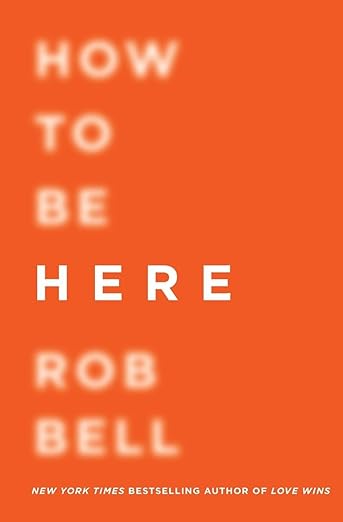
How to Be Here by Rob Bell is a motivational and philosophical book that encourages readers to embrace their lives with intention, creativity, and presence. Bell challenges the idea of life as a fixed path or a checklist of achievements, urging people to see it instead as an open, dynamic process—what he calls “creating a life worth living.”
- Life as a Creative Act – Bell compares life to an unfolding work of art, emphasizing that we are constantly shaping our own experiences. Instead of waiting for the “perfect moment,” we should start where we are.
- The Power of Presence – He stresses the importance of living fully in the present rather than being trapped in regret about the past or anxiety about the future. Being here, now, allows us to engage meaningfully with our lives.
- Overcoming Fear and Resistance – Fear of failure and self-doubt often keep people from pursuing their passions. Bell encourages readers to take risks, embrace uncertainty, and recognize that setbacks are part of the process.
- Discovering Your Path – Everyone has a unique calling or contribution to make in the world. Instead of chasing societal definitions of success, Bell urges readers to listen to their inner voice and follow what brings them joy and fulfillment.
- Joy in the Ordinary – Bell highlights that purpose isn’t found only in grand achievements but also in the simple, everyday moments. Learning to appreciate and be present in these moments leads to a more fulfilling life.
- The Importance of Action – He warns against overthinking and waiting for perfect conditions. The key to building a meaningful life is taking small, intentional steps toward what excites and challenges you.
Life is not something to “figure out” but something to actively engage with. By embracing creativity, presence, and a mindset of possibility, we can live a life that is rich, fulfilling, and uniquely our own.
 Your Neuroverse