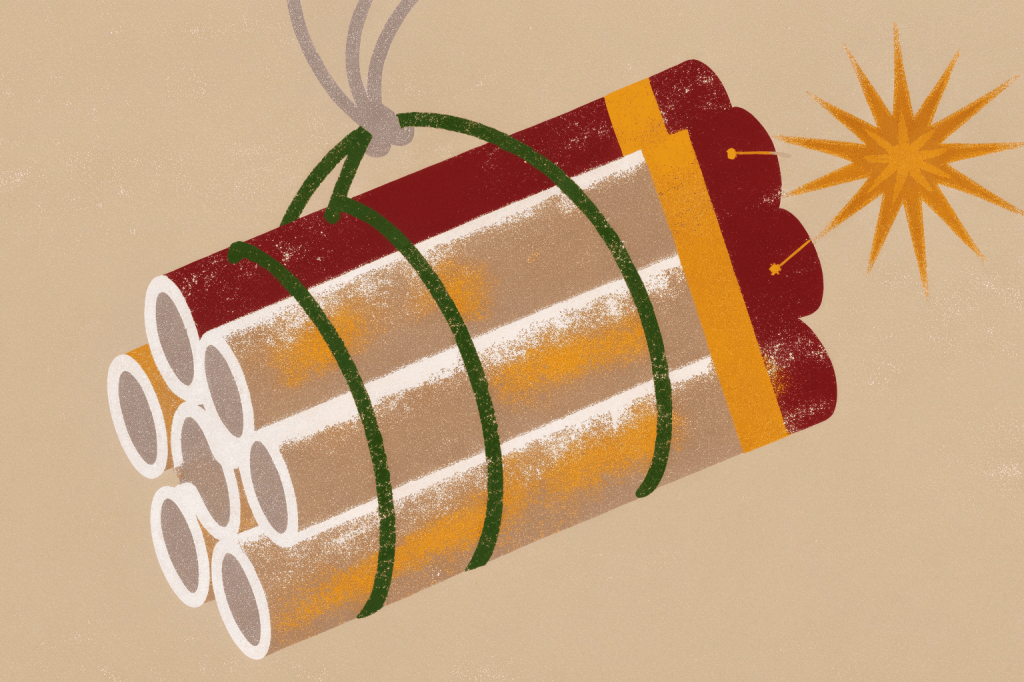
Anger. It comes in waves. It starts as anxiety, a heaviness in my chest, gradually rising through my esophagus and into my throat, where it bursts out as a scream. A growl so loud it probably disturbs the neighbors. So much anger—built up from unresolved traumas, from closures and apologies I never received. From being silenced, ignored, neglected, abandoned.
I’ve carried this anger for so long that it feels like it defines me now—a person full of resentment. Toxic. Easily offended and provoked. Confrontation triggers my defenses, leaving little time for my brain to stop my mouth from unleashing the most vile words at the offender.
I tell myself that it took years to learn how to stand up for myself. I’m not about to just let things go. The last thing your dad said to me was that I was a vindictive, bloodthirsty person who never forgives. I told him that only psychopaths believe they can repeatedly hurt someone and expect forgiveness without making an effort to rebuild trust. Needless to say, our last conversation didn’t end well.
Right now, I believe some things should never be forgiven. The only way I could let go of certain memories would be to undergo a lobotomy and forget them altogether. My entire brain chemistry and quality of life changed because of some people’s actions toward me—irreversible damage. My worldview shifted. I gained a new level of mistrust for others. How do you forgive that?
What I do forgive is myself—for being naive, too trusting, unaware of my own boundaries, and careless with other people’s. I forgive the unhealed version of myself. And that, for now, is enough.
But it’s harder to forgive myself for the ways my anger has hurt you, my loves. The irritation, the yelling, the outright screaming. To say I’m ashamed doesn’t even begin to cover it. Parenting is hard. Parenting neurodivergent children while one of them is navigating puberty, all while adapting to life in a new country as a neurodivergent parent myself, is even harder. I know this sounds like an excuse, but it’s not.
I was going through an incredibly tough time even before we moved. Then everything collided. I wasn’t yet in a place where I could recognize how inappropriate my anger toward you was. I’ve apologized since. I’ve tried to explain. But you shouldn’t have to understand. Just know that I recognize it wasn’t okay. And know that I deeply regret all the things I said in anger. The worst part is that I can’t take those words back.
I will spend the rest of my life trying to make amends for the mistakes I made toward you. I’ll do whatever it takes to show you that my anger was never about you. I hope that one day you’ll see it for what it truly was—a wounded mother, unaware of how to handle her pain. I want to become the person you feel safe confiding in and relying on in the future.
Aristotle once said:
“Anybody can become angry—that is easy. But to be angry with the right person, to the right degree, at the right time, for the right purpose, and in the right way—that is not within everyone’s power and is not easy.”
I’m learning this wisdom. It’s okay to feel anger, but it must be expressed appropriately.
Another quote by Mark Twain resonates with me:
“Anger is an acid that can do more harm to the vessel in which it is stored than to anything on which it is poured.”
I’m working to heal my wounds so that things don’t affect me so deeply and anger doesn’t have power over me anymore.
Missing you a little extra today.
Love you infinitely,
XO, Mom

 Your Neuroverse
Leave a comment